Electronic Fuzes
Electronic Fuzes for Critical Defence Missions
HFCL Percussion, Proximity, and Time Electronic Fuzes with proprietary programmable features offer precision in detonation tailored to mission-critical needs. In military applications, their adaptability, precision, and safety make them crucial for diverse scenarios, enhancing mission success and safety through advanced triggering mechanisms.
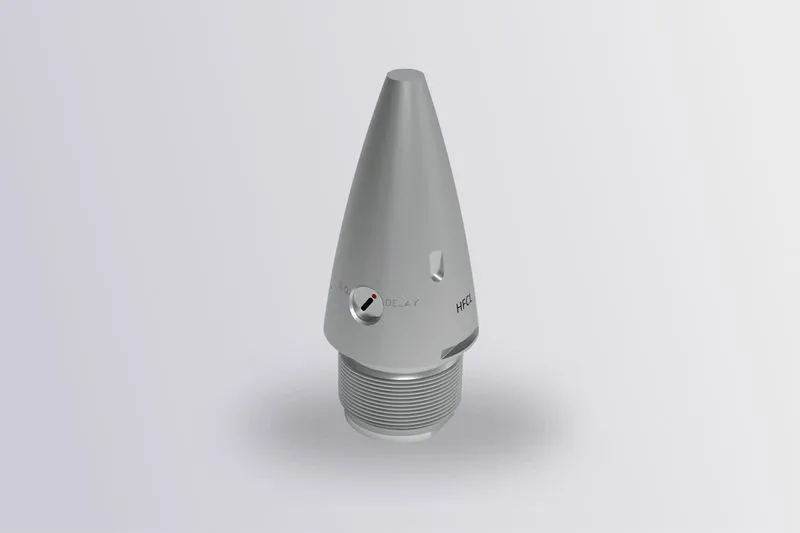
Percussion Fuze
Percussion fuzes trigger explosives upon impact, ensuring dependable detonation in high-velocity shells. They provide versatility with Point Detonation Super Quick (PDSQ) and Delay modes
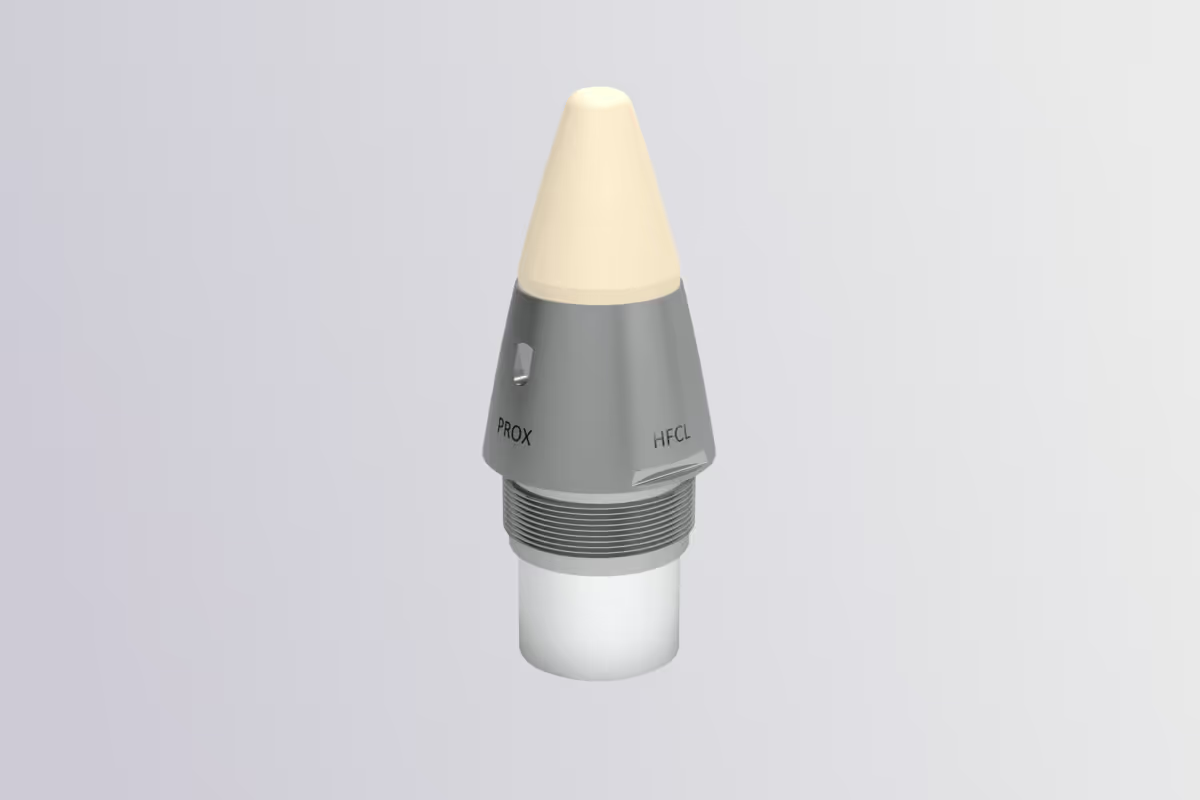
Proximity Fuze
Proximity fuzes trigger explosives at a set range, offering both instant and proximity modes. Adjustable burst height and delay features improve adaptability and overall reliability
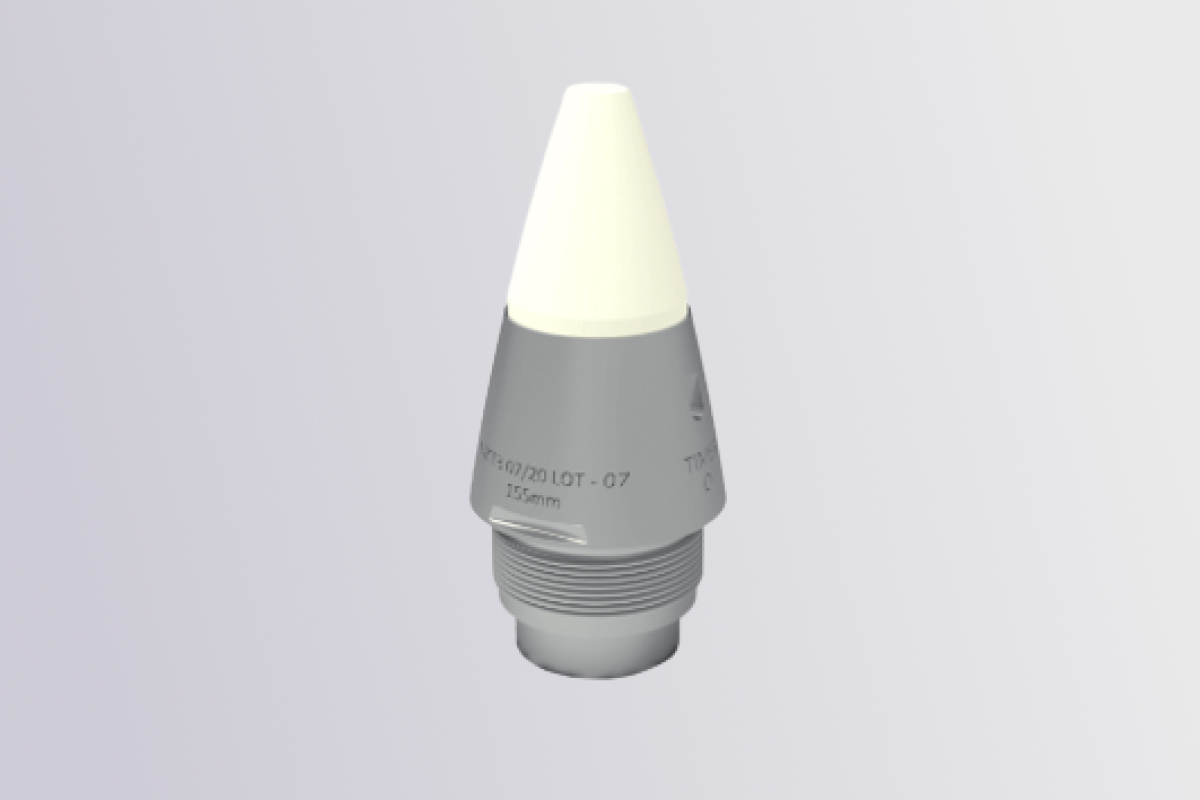
Time Fuze
The Time fuze, located in a bomb or shell's nose, triggers detonation through a timer. It offers Timer and Point Detonation Super Quick (PDSQ) modes, and is fully adjustable for precise detonation
No items found.
NABL-accredited testing, certification facilities & feedback form




Case Study
Insights
No items found.