DCR 1100-X360 IP/MPLS Routers
High-Capacity IP/MPLS Router for Seamless network routing in Pre-Aggregation and Aggregation Layer

About
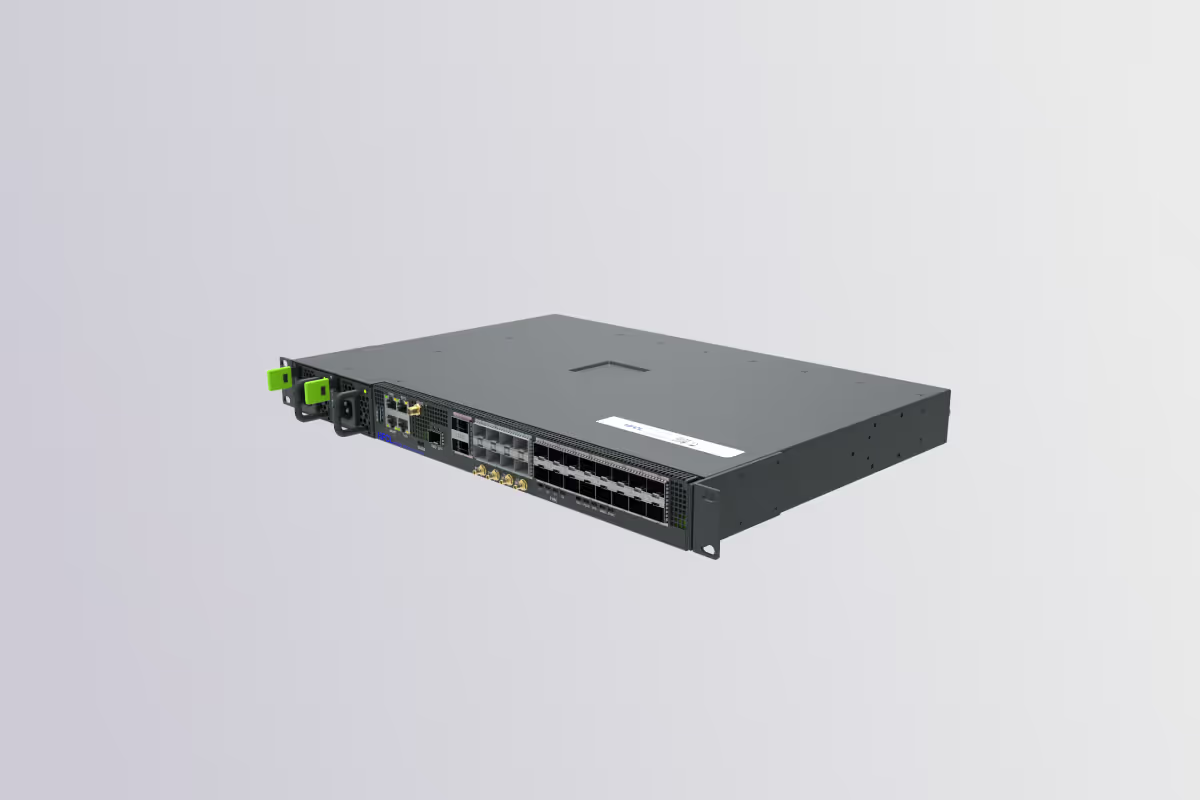
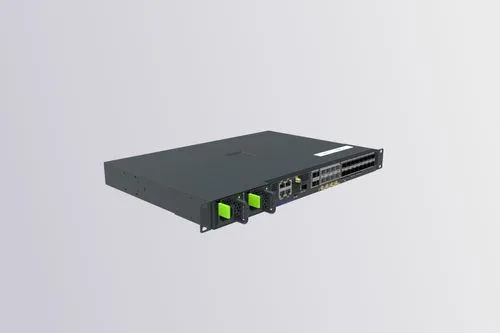
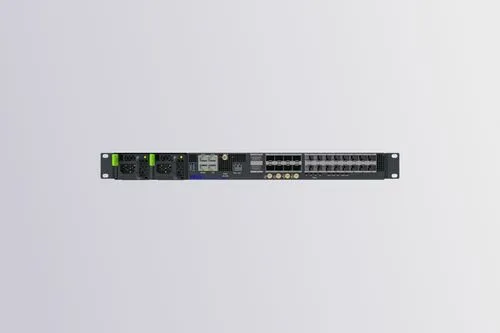
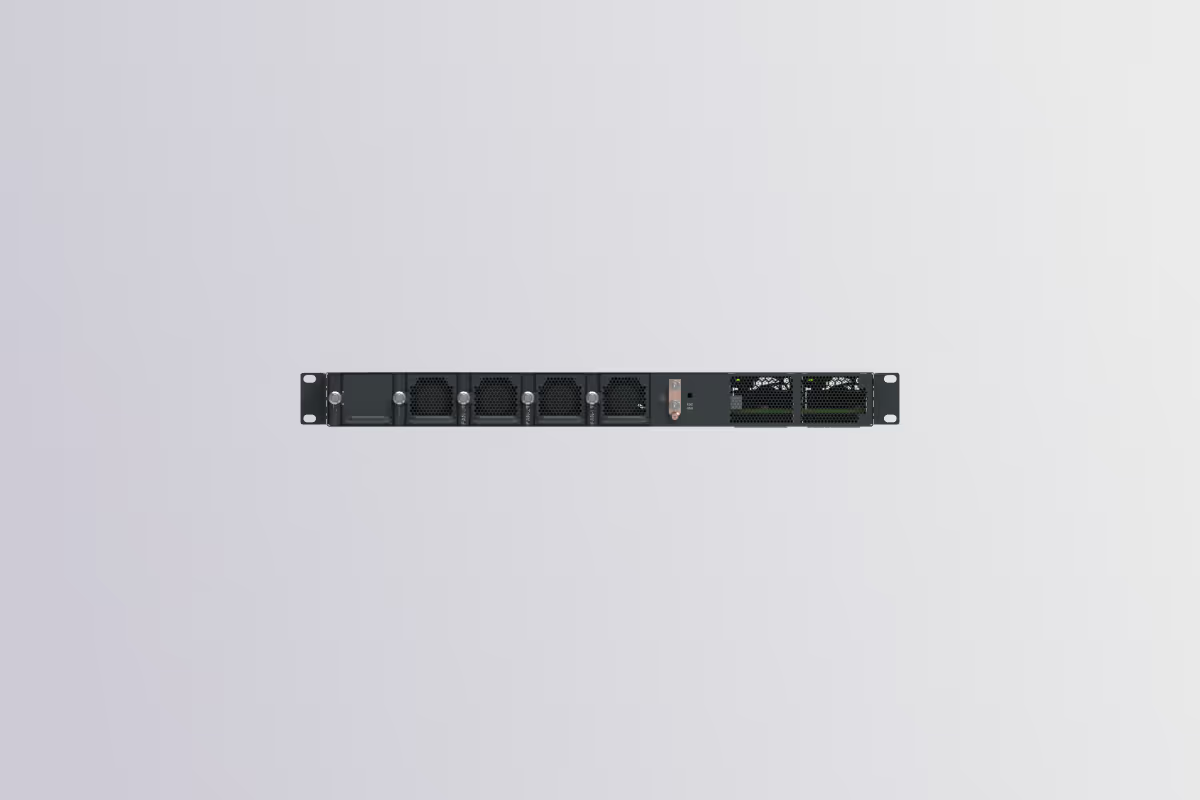
HFCL DCR 1100-X360 IP/MPLS Routers are high-capacity, carrier-grade routers ideal for telecom and public network infrastructure, designed through HFCL’s in-house R&D capabilities. Designed for pre-aggregation and access ring roles, they consolidate traffic from cell sites and scale bandwidth across 5G and broadband rollouts. With support for segment routing, timing synchronization, and intuitive EMS, the router enables reliable, scalable connectivity in smart cities, utility networks, and national mission-critical deployments.
Features
Benefits
High Bandwidth Aggregation
Efficiently aggregates bandwidth for telecom companies and enterprises, promoting seamless connectivity and enhancing overall network performance
Segment Routing Flexibility
Provides a versatile set of L2 and L3 features compliant with Open Compute Standards, catering to diverse requirements for optimal network performance
Automated Operations
Supports Zero-touch Provisioning (ZTP) and compatibility with legacy SNMP and NETCONF/YANG, reducing manual intervention and streamlining management
Advanced Timing and Synchronization
Facilitates cutting-edge 5G applications with advanced timing capabilities, ensuring precise synchronization for improved service delivery
Compact Design with Robust Security
Compact design supports deployment in temperature-challenged, space-constrained locations. Enhanced security features protect control, data, and management planes, ensuring reliable operation
Key Specifications
Applications
- Pre-aggregation of Mobile Traffic
- Access Network Connectivity
- Enterprise Connectivity
Variants
FAQs
IP/MPLS enhances network management and performance, offering key benefits for businesses. It boosts network efficiency by using short path labels for data routing, improving traffic flow. MPLS also enhances Quality of Service (QoS), ensuring priority treatment for critical applications like VoIP and real-time analytics. This technology increases reliability, supports scalable VPNs for secure multi-site connectivity, simplifies network management, and aids in disaster recovery by rerouting traffic during outages. Additionally, it can lead to reduced operating costs by consolidating network traffic onto a single infrastructure, making it a comprehensive solution for improving business connectivity and reducing expenses.
The 5G transport network incorporates advanced technologies to meet the demands of enhanced mobile broadband (eMBB), ultra-reliable low-latency communications (URLLC), and massive machine-type communications (mMTC). These include SDN for flexible network management, NFV for agile and scalable services, segment routing for optimized packet delivery, and IP/MPLS for efficient and scalable data flow. Optical Transport Networks (OTN) provide a high-capacity backbone, while Ethernet VPN (EVPN) enhances network automation. Wavelength Division Multiplexing (WDM) boosts capacity by transmitting multiple data streams simultaneously, and network slicing enables customized connectivity for various applications. Together, these technologies ensure the 5G transport network can support high-speed, reliable, and flexible connectivity essential for 5G applications and services.
Precise timing and synchronization are crucial in 5G transport networks, ensuring ultra-low latency for applications like autonomous driving and remote surgery. They enable coordinated operations through technologies like beamforming and massive MIMO, essential for directing signals accurately and managing radio frequencies. This precision also bolsters network reliability, vital for critical communications, and allows for efficient spectrum use, increasing capacity and reducing interference. Furthermore, it supports network slicing, maintaining quality of service across virtual networks with varying requirements. Technologies such as Precision Time Protocol (PTP), GPS, and Synchronous Ethernet are deployed to achieve the necessary synchronization, underpinning the performance and reliability of 5G services.