
About
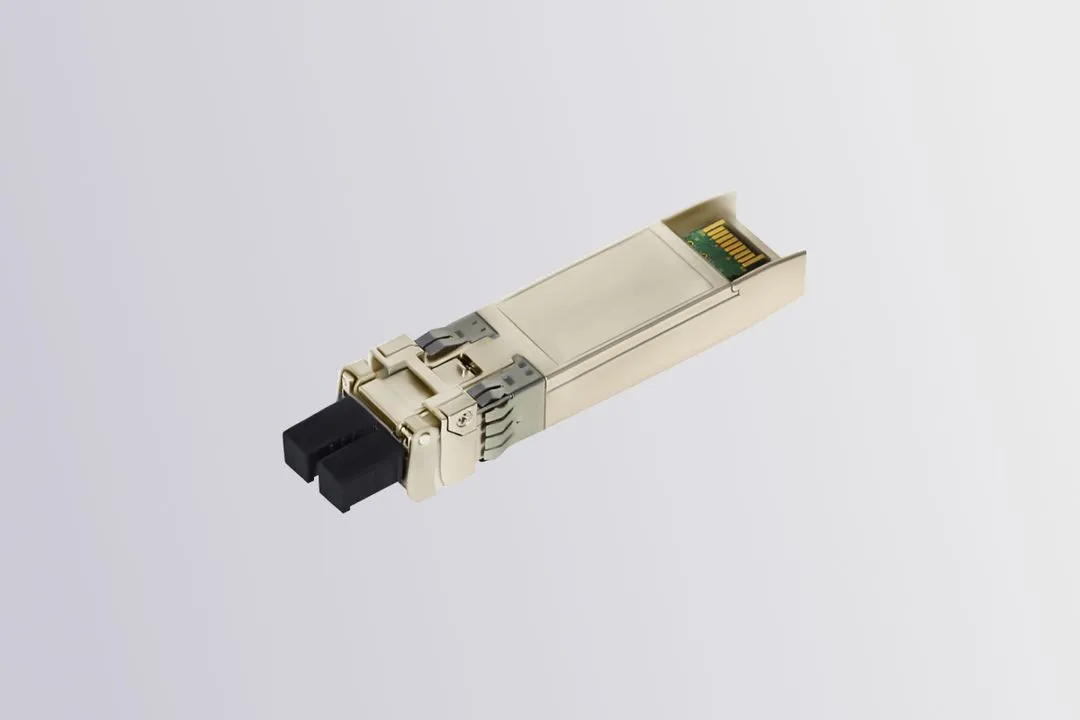
HFCL Optical Transceivers enable high-speed data transmission over fiber networks by converting electrical signals into optical form and back. Designed for telecom and data center environments, they support various data rates, wavelengths and transmission distances. Precision optical and electronic components ensure stable signal integrity under continuous operation. Hot-pluggable construction enables easy replacement and scalable upgrades. These modules form the core building blocks of modern optical communication across access, metro and high-speed computing networks.
Features
Benefits
High Aggregate Bandwidth
Capable of delivering up to 40 Gbps aggregate bandwidth through four independent channels, each supporting 10 Gbps
Wide Compatibility
Works with various networking equipment and protocols, enhancing integration across different environments
Multiple Form Factors
Available in types like SR4 and LR4, catering to different distance needs from short to long-range connections
Hot-pluggable Architecture
Facilitates seamless insertion and removal in live systems, ensuring zero downtime during maintenance or upgrades
Key Specifications
Applications
- Data Centers
- Cloud Infrastructure
- Enterprise Networks
- Telecommunications
Variants
FAQs
A compact, hot-pluggable device for high-speed data communication in networking equipment.
It converts electrical signals to optical signals for transmission over fiber optic cables.
It’s used in data centers, telecommunications, and networking equipment for high-bandwidth connections.
It is compatible with Active Optical Cables (AOC) and Direct Attach Copper (DAC) cables.