Premise Distribution Cables
Stay Connected, Stay Protected - Introducing our Premise Distribution Cables

About
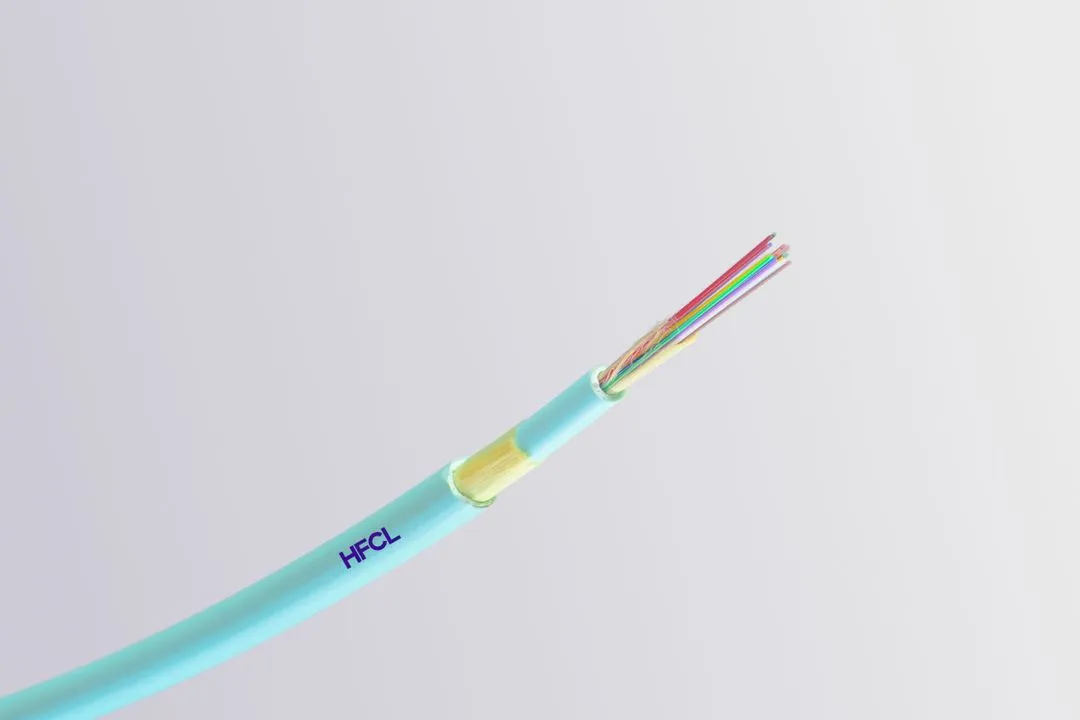
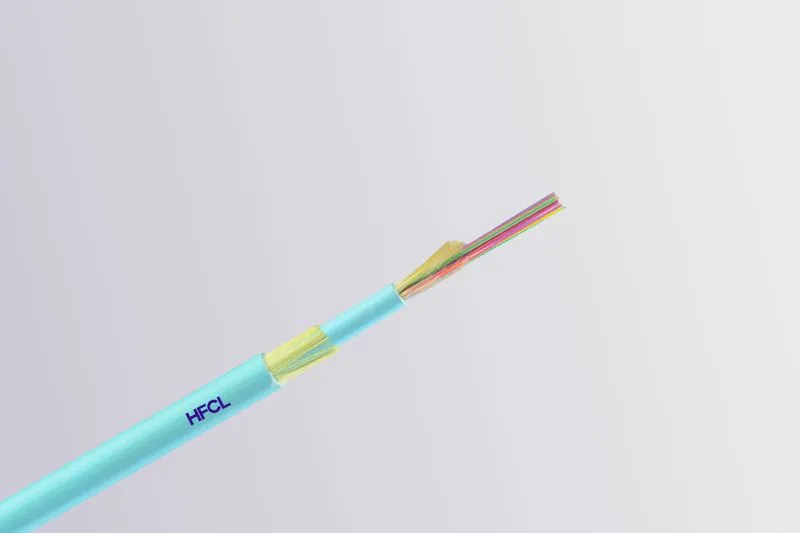
Versatile optical fiber cables, for seamless data transfer within your building or premises. The tight-buffered fibers traverse trays and plenums effortlessly connect you to the distribution boxes. Designed for direct connector fitting, our compact yet powerful optical fiber cables thrive in space-constrained environments, offering efficiency and cost-effectiveness. Choose from single-mode or multimode fiber options, each, featuring tight buffers of 600 µm or 900 µm. Our flame-retardant optical fiber cables ensure safety while providing the connectivity backbone for your last-mile solutions.
Features
Benefits
Buffer Size Variety
These optical fiber cables are available with 600 µm and 900 µm tight buffers
Fiber Options
Choose the fiber type that suits your needs, whether it's multimode or single-mode, based on your required transmission rate and distance
Assured Safety
Rest easy knowing our optical fiber cables meet stringent fire safety standards, ensuring your indoor space remains protected
Key Specifications
Applications
- Premises distribution
- Riser and plenum
- Distribution networks
- LAN and FTTx
- Last-mile connectivity
Variants
FAQs
A fiber distribution cable, also known as a distribution or breakout cable, is designed for telecommunications and data networking applications. Unlike a single, tightly bound cable, it consists of multiple individual fibers bundled within a common outer jacket. The breakout design allows for easier management and termination of individual fibers, making it suitable for connecting network equipment in environments like data centers, buildings, or telecommunications facilities. This type of cable is particularly useful for shorter-distance applications where the flexibility of managing individual fibers is advantageous. Fibers within a distribution cable can be terminated directly to connectors or further split into individual connections based on specific networking needs.
If fiber optic cables are exposed to excessive heat beyond the manufacturer's recommended temperature range for storage and operation, the cable jacket may no longer adequately protect the internal fibers. This can result in increased signal attenuation (weakening) and potential breakage of the fiber. It's crucial to adhere to the specified temperature guidelines to ensure optimal performance and longevity of the fiber optic cables.
Premise distribution cables are made flame-retardant, enhancing safety in indoor settings. This feature minimizes the risk of fire hazards, making them a secure choice for communication infrastructure within buildings.