Aerial Fig. 8 Cables
Aerial Fig. 8 Cables: Setting New Standards for Aerial Self-Support Applications

About
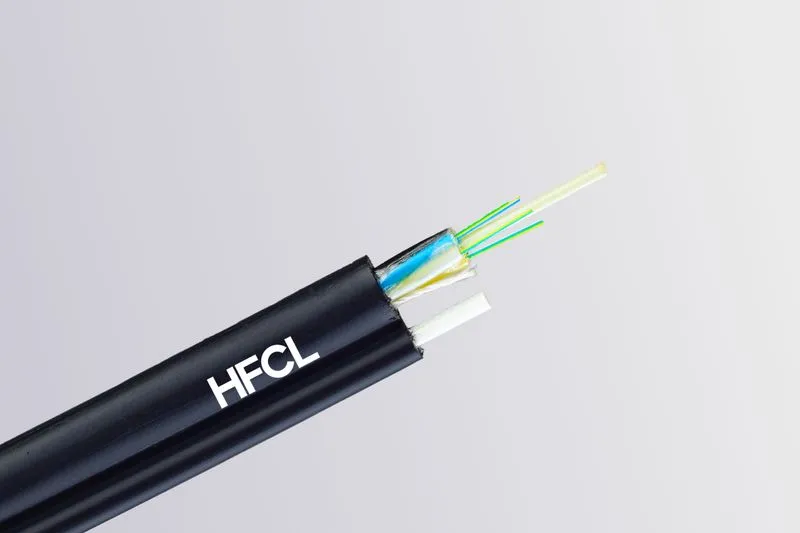
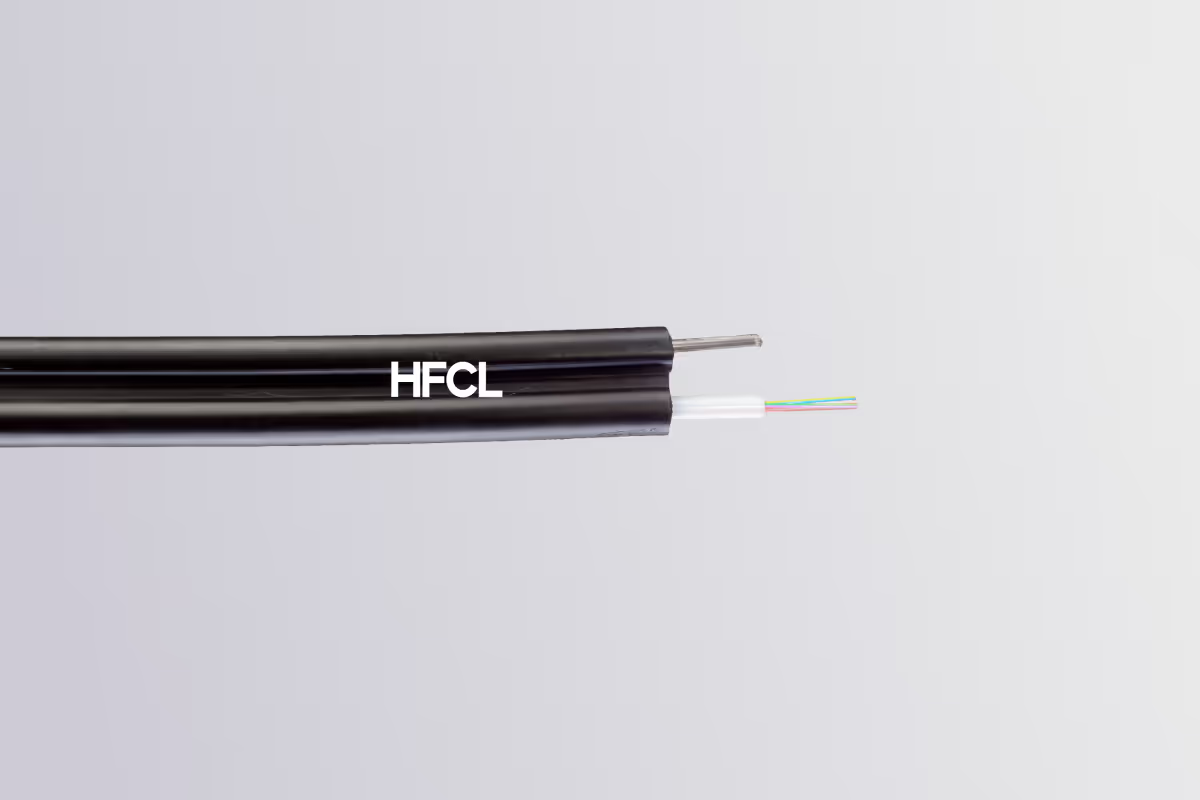
Introducing aerial fig. 8 cables, meticulously designed for self-supporting aerial installations. Redefining ease and stability for short to medium spans, this aerial cable type boasts a high-strength stranded steel messenger wire, eliminating the need for separate support strands. Engineered for seamless one-step installation, their versatile design ensures stable performance over a wide temperature range. Whether metallic or non-metallic, the strength member is crafted to withstand installation tensile forces. Experience innovation in aerial connectivity with HFCL’s aerial fig. 8 cables – where efficiency meets reliability.
Features
Benefits
Effortless Installation
Simplifies one-step aerial installation, saving time and resources
Wide Temperature Range
Maintains stable performance in diverse conditions
Compatibility
This type of aerial cable supports telecommunication-grade optical fiber
Versatile Strength Member
Designed to withstand installation forces, be it metallic or non-metallic
Innovative Configuration
This aerial cable utilizes a loose tube design for reliability
Key Specifications
Applications
- Access network
- Feeder and distribution network
- Aerial short and medium-span
- CATV
- LAN and FTTx
- Last-mile connectivity
Variants
- Unarmored Cables
These optical fiber cables feature a messenger wire coated with Polyethylene, seamlessly connected with a fiber optic cable, creating a distinctive figure 8 pattern
- Armored Cables
Discover unparalleled strength and protection with our armored cables. Designed with steel tape armoring over the cable core, these optical fiber cables provide an extra layer of defense against rodent attacks.
FAQs
Aerial cables are designed for overhead installations with limited space, offering a compact and efficient configuration. Their unique shape and construction enhance ease of deployment in outdoor environments.
Aerial cables are exposed to weather elements. Choosing weather-resistant materials and protective jackets, along with proper installation and periodic inspections, ensures durability in outdoor conditions.
Planning involves assessing span lengths, support structures, and load-bearing capacities. Tensioning, sag calculations, and understanding environmental conditions aid in selecting the right cable design for the specific aerial route requirements.