ADSS Cables
Unlock Seamless Aerial Networking with ADSS Cables

About
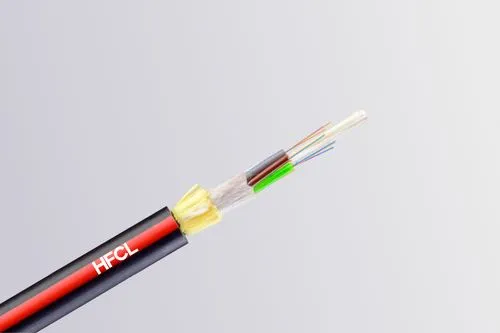
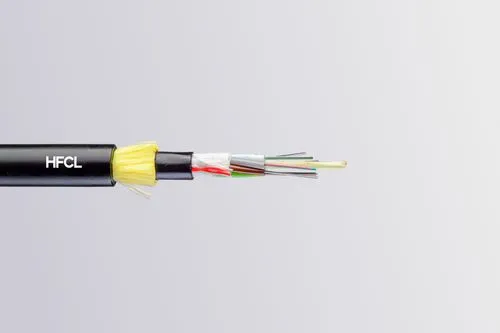
Experience uninterrupted connectivity with our ADSS (All Dielectric Self Supporting) cables. Featuring high-strength aramid yarns, these optical fiber cables are engineered for peak performance, minimizing the load on towers against cable weight, wind, and ice. With internal glass optical fibers receiving impeccable support, experience low optical loss throughout the cable's lifespan. Jacketed for moisture protection and UV shielding, our ADSS cables excel in backbone, feeder, and aerial spans, offering versatility from CATV to LAN and FTTx. Perfect for overhead pole-to-pole deployment these proprietary fiber optic cables ensure a cost-effective and swift installation compared to underground alternatives
Features
Benefits
High Tensile Strength
Engineered to withstand pulling forces up to 22,000N, ensuring stable aerial deployments even in challenging environmental or mechanical conditions
Single-pass Installation
Designed for efficient deployment without a supporting messenger cable, enabling faster installation and reduced overall project labor and hardware costs
Non-Conductive
Constructed entirely without metallic components, eliminating electrical interference risks and ensuring safe performance near power lines or lightning-prone areas
Customizable
Offered in versatile loose-tube configurations from 2F to 432F, supporting varied network capacities, topologies, and long-term scalability requirements
Flexible Span Length
Supports span lengths between 30m and 500m, enabling adaptable aerial routing across diverse terrains, tower placements, and distance constraints
Rodent Protection
Designed to resist rodent attacks, ensuring uninterrupted fiber performance and minimizing maintenance needs in vulnerable or high-risk outdoor environments
Key Specifications
Applications
- Backbone and access network
- Feeder and distribution network
- Aerial short, medium and long span
- CATV
- LAN and FTTx
- Last-mile connectivity
Variants
- Unarmored ADSS Cables
Explore unarmored All Dielectric Self Supporting (ADSS) cables, tailored for diverse overhead applications. Ideal for electric poles with spans of 30-100 meters and high-tension transmission towers reaching up to 500 meters, these optical fiber cables seamlessly integrate with power cables, ensuring reliable connectivity
- Flat Aerial Cables
Discover the perfect solution for dropping fiber from poles to independent houses with our flat aerial cables. Cost-effective, lightweight, and easy to install, these fiber optic cables redefine efficiency, making connectivity seamless. Elevate your aerial network with our innovative and accessible solutions
FAQs
ADSS cables are unique in that they are designed to be self-supporting, eliminating the need for a separate support structure (like a messenger wire). The all-dielectric construction means they do not contain any metallic components, making them suitable for high-voltage electrical environments. This makes ADSS optical fiber cables a preferred choice for aerial installations, offering advantages in terms of ease of deployment and resistance to environmental factors.
Selecting the right ADSS cable involves considering factors such as span length, environmental conditions, and fiber count. Understanding the installation environment required tensile strength, and the distance between support structures is crucial. Additionally, assessing the potential for ice and wind loading is important for choosing an ADSS cable that can withstand the specific challenges of the installation location.
ADSS cables are known for their low maintenance requirements. The lack of metallic components means they are not susceptible to corrosion, and their self-supporting design reduces the need for regular tension adjustments. However, periodic inspections for factors such as damaged or loose hardware, as well as environmental wear, are recommended. Comparatively, these optical fiber cables often offer a more cost-effective and durable solution over the long term compared to traditional aerial cables.